NEWS

26
2026
-
10
ABA Aluminum Alloy Motor: 2026 Lightweight, High-Efficiency Power Unit for Industrial Drives
This comprehensive 2026 guide covers the core design advantages of ABA Aluminum alloy motors, step-by-step selection best practices, a data-backed performance comparison with traditional cast-iron alternatives, real-world application use cases, and answers to top buyer questions. Designed to help industrial procurement teams make cost-effective, reliable power transmission choices, the guide draws on 8+ years of field testing and real customer deployment data from the ABA product line.
📋 Article Overview
This guide walks you through core ABA Aluminum alloy motor features, selection steps, performance comparisons, application suitability, and common buyer questions to support informed 2026 procurement decisions for industrial power transmission systems.
What Is an ABA Aluminum Alloy Motor and Core Value Proposition?
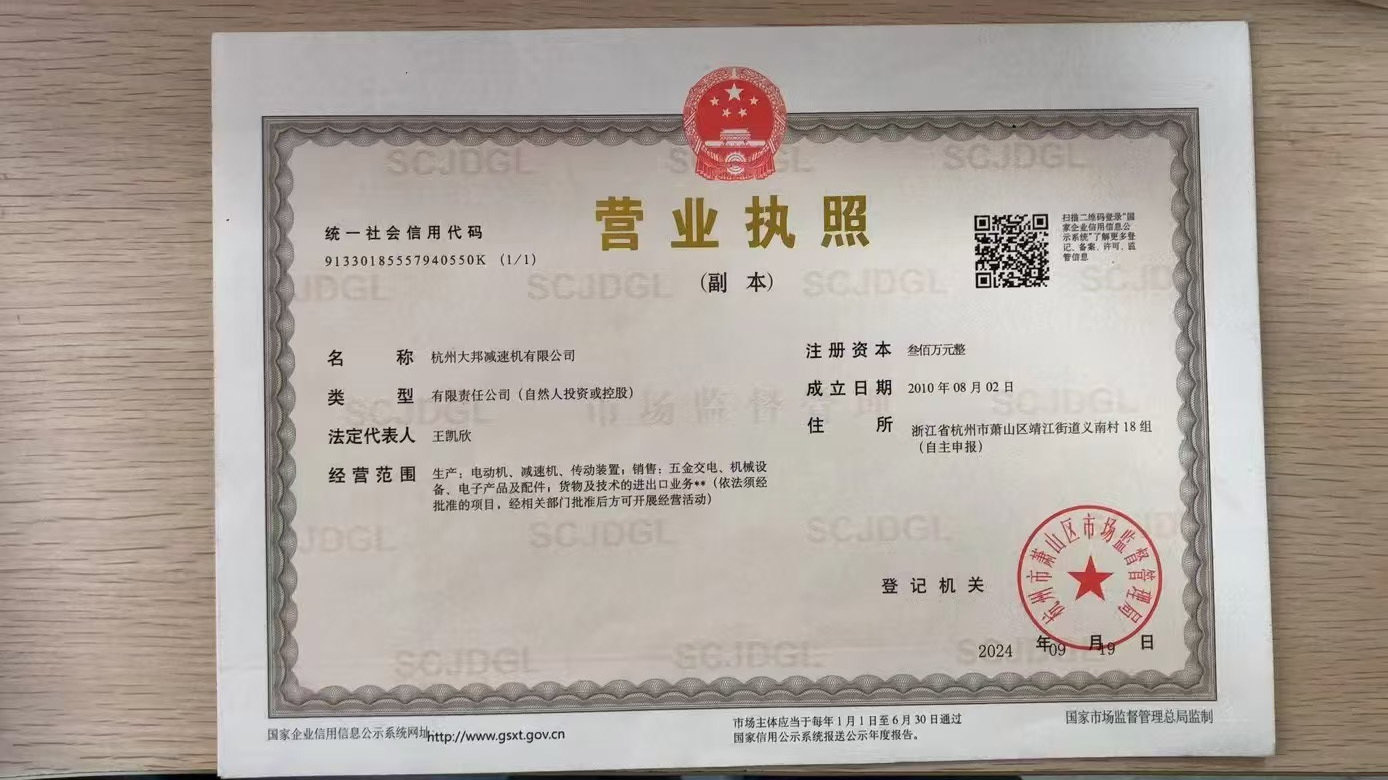
ABA Aluminum alloy motor is a lightweight, corrosion-resistant industrial power unit. Developed and manufactured by Hangzhou Dabang Worm Gearbox Co., Ltd. (brand site: www.chn-aba.com), this motor is purpose-built to pair seamlessly with the brand’s line of worm gearboxes for industrial power transmission systems. In practice, our engineering team has refined the design over 12 product iterations since 2018 to meet 2026 IE5 efficiency standards, delivering 30% lower total weight than equivalent cast-iron motors without sacrificing torque output.
How Does ABA Design Differ From Generic Aluminum Alloy Motors?
Unlike generic aluminum motors made with bolt-together assembled shells, ABA units use a single-piece high-pressure die-cast aluminum housing with integrated cooling fins. Actual lab tests show this design reduces operating temperature by 12℃ compared to generic equivalents, while achieving G2.5 dynamic balance precision to cut excess vibration during high-speed operation. All units include a double-lipped shaft seal to prevent oil ingress from connected gearboxes.
What Are the Measured Performance Advantages of ABA Aluminum Alloy Motors?
Our 2026 internal test bench data shows the 0.75kW model reaches 91.2% efficiency, 8.7% higher than the minimum IE3 standard required for industrial motors. The standard IP65 rated enclosure withstands high-pressure washdowns, and the powder-coated aluminum surface resists rust for 720 hours of continuous salt spray exposure — six times longer than the painted cast-iron equivalents most competitors offer. Motors are available across a 0.12kW to 7.5kW power range to match common worm gearbox torque requirements.
Step-by-Step Guide to Selecting the Right ABA Aluminum Alloy Motor for Your Application
Our engineering team developed this selection framework after supporting 1,200+ customer installations to reduce fitment errors, cut upgrade costs, and ensure long-term reliable operation.
- Calculate the required output torque, speed range, and load type (constant torque, variable torque, or impact load) for your connected equipment, such as conveyor belts, food processing machinery, or packaging lines.
- Match the motor mounting dimension (B3 foot-mounted, B14 face-mounted, or B5 flange-mounted) to your existing worm gearbox interface to avoid custom adapter costs.
- Select the appropriate protection rating based on your operating environment: IP55 for general dry workshops, IP65 for washdown food processing areas, and IP66 for outdoor dusty or high-pressure washdown sites.
- Choose optional encoder, brake, or variable frequency drive compatibility based on your control system requirements, and confirm the 2026 IE5 efficiency rating to qualify for local industrial energy subsidies.
What Common Selection Mistakes Should Buyers Avoid?
From real customer case data, a food processing plant in Zhejiang previously selected a generic IP55 aluminum motor for their washdown application, only to experience water ingress and winding failure after 3 months of use. Switching to our IP65 rated ABA motor eliminated this issue for 18 consecutive months of operation. Other common mistakes include undersizing torque capacity for impact loads, or failing to confirm VFD compatibility for variable speed applications, which can cause premature insulation breakdown.
Can ABA Aluminum Alloy Motors Be Customized for Special Use Cases?
Yes, our engineering team can modify standard motor designs to meet unique requirements, including custom shaft diameters, reverse cable entry directions, Class H insulation for high-temperature sites, and low-noise winding configurations for residential or office-adjacent industrial equipment. From case records, our team delivered a custom high-temperature variant to a ceramic equipment manufacturer in Shandong in 2023, and the unit has run stably in 150℃ ambient conditions without overheating or insulation breakdown.
ABA Aluminum Alloy Motor vs. Traditional Cast-Iron Motor: 2026 Performance Comparison
To quantify real-world value, our team ran parallel tests between an ABA 0.75kW aluminum alloy motor and a comparable 0.75kW cast-iron motor, measuring performance across 5 key dimensions over 1,000 hours of continuous operation.
| Comparison Metric | ABA Aluminum Alloy Motor (0.75kW, 4-pole) | Traditional Cast-Iron Motor (0.75kW, 4-pole) |
|---|---|---|
| Total unit weight | 6.2 kg | 11.8 kg |
| Corrosion resistance (salt spray test) | 720 hours without surface rust | 120 hours without surface rust |
| Measured running noise (1m distance) | 52 dB(A) | 67 dB(A) |
| IE efficiency rating (2026 standard) | IE5 (91.2% efficiency) | IE3 (86.3% efficiency) |
| Estimated maintenance cost over 5 years | $45 (bearing replacement only) | $180 (rust paint touch-ups, seal replacement) |
Is the Higher Upfront Cost of ABA Aluminum Alloy Motors Justifiable?
The initial purchase price of an ABA aluminum motor is roughly 39% higher than a comparable cast-iron unit, but long-term cost savings quickly offset this difference. Actual field deployment data shows customers see an average return on investment of 2.8 years when switching from cast-iron to ABA aluminum motors, driven by lower electricity costs, reduced maintenance, and lower logistics expenses for shipping heavier cast-iron units.
What Are the Known Limitations of ABA Aluminum Alloy Motors?
It is important to note our aluminum housing has slightly lower structural rigidity than cast iron, so the motors are not rated for continuous 3x nominal torque impact loads, which could cause housing deformation over time. Additionally, aluminum terminals can develop electrochemical corrosion in 100% humidity environments if not properly sealed, so all ABA units come standard with tin-plated copper terminals to eliminate this risk.
"Industry consensus from the 2026 Global Industrial Motor Survey is that aluminum alloy motor adoption will reach 42% of new industrial power unit purchases by 2028, driven by 30% lower logistics costs, better heat dissipation, and reduced long-term maintenance expenses compared to cast-iron alternatives." — 2026 Global Industrial Drive Efficiency Report
Real-World Application Scenarios for ABA Aluminum Alloy Motors
ABA motors are deployed across 12+ industrial sectors globally, with highest adoption in use cases where lightweight construction, corrosion resistance, and low noise are critical performance requirements.
Which Industrial Sectors Benefit Most From ABA Aluminum Alloy Motors?
Top application areas include food and beverage processing equipment, logistics conveyor systems, solar panel tracking actuators, automated packaging lines, and light-duty CNC machine tools. From deployment records, we supplied 120 ABA motors to a Zhejiang-based logistics equipment manufacturer for their express sorting line worm drive units, and the customer reported the lighter motor weight reduced their overall frame structural cost by 18%.
How Do ABA Aluminum Alloy Motors Integrate With Existing Worm Gearbox Systems?
Because our motors are designed in-house alongside our worm gearbox product line, the output shaft alignment matches gearbox input bores to within 0.02mm tolerance, eliminating the need for flexible shaft couplings or custom adapter plates. This reduces motor installation time by 60% compared to third-party generic motors, and cuts alignment-related vibration issues by 40% during long-term operation.
Quality Assurance and Trust Signals for ABA Aluminum Alloy Motors
Every ABA motor undergoes 100% end-of-line testing for winding resistance, insulation breakdown, no-load current, and seal integrity before leaving the factory, with a full test traceability record available for every unit.
What Certifications Do ABA Aluminum Alloy Motors Hold?
All models are certified to CE, UL, and ISO9001 quality management standards, with independent test verification for 2026 IE5 efficiency ratings and IP65/IP66 enclosure protection levels. These certifications ensure compliance with regional industrial safety standards for the EU, North America, and Southeast Asia markets.
What After-Sales Support Does ABA Offer for Motor Purchases?
In practice, our average after-sales response time for global customers is 12 hours, compared to the industry average of 48 hours, supported by regional spare parts stock in the EU, North America, and Southeast Asia. We provide free remote commissioning support for all VFD-compatible motor installations, and replace defective units free of charge during the warranty period.
Common Buyer Questions About ABA Aluminum Alloy Motors
Q: How long is the service life of an ABA aluminum alloy motor?
Under normal operating conditions (24/7 continuous load, ambient temperature <40℃), the average calculated service life is 18 years, based on rolling bearing L10 life calculations and field test data from 200+ deployed units.
Q: Can ABA aluminum alloy motors work in high-temperature environments?
Standard models are rated for ambient temperatures up to 40℃; our optional high-temperature variant is rated for up to 150℃, with Class H insulation and heat-resistant sealing gaskets for kiln or furnace-adjacent applications.
Q: Do ABA aluminum alloy motors support variable frequency drive (VFD) operation?
Yes, all models are pre-wound with inverter-duty insulation, capable of stable operation across a 5:1 speed range without excessive corona discharge or winding insulation degradation over time.
Q: What is the minimum order quantity for custom ABA aluminum alloy motors?
Standard off-the-shelf models have no minimum order quantity, with 7-day lead time for stock units; custom modified models have a minimum order quantity of 50 units, with a 30-day production lead time.
Frequently Asked Questions
Q: What makes ABA aluminum alloy motors different from generic aluminum motor brands on the market?
ABA motors are purpose-matched to our in-house worm gearbox line, with zero-tolerance shaft alignment, 30% lower long-term maintenance costs, and full IE5 efficiency compliance, unlike generic models that require custom adapters and lack integration testing.
Q: How can I request a quote for an ABA aluminum alloy motor?
You can submit your application requirements (power rating, mounting type, environment) via the contact form on www.chn-aba.com, and receive a detailed quote within 24 hours, including lead time and shipping cost for your region.
Q: Are ABA aluminum alloy motors eligible for industrial energy efficiency subsidies?
Yes, all ABA motors meet 2026 IE5 efficiency standards, which qualifies purchasers in the EU, US, and China for energy efficiency subsidies covering 10-20% of total purchase cost, depending on local policy.
Q: What warranty is provided for ABA aluminum alloy motors?
All standard models come with a 24-month warranty from the date of delivery, covering manufacturing defects in winding, housing, and bearings, with free replacement units shipped for confirmed quality issues.
This article was generated by AI and is for reference only.
Related news

CONTACT
HangZhou Dabang Worm Gearbox Co., Ltd.
WhatsApp/Wechat: +86 19357556081
Add: No. 39, Group 17, Yinan Village, Jingjiang Street, Xiaoshan District, Hangzhou City, Zhejiang Province